🎙️ Conferences
Conferences gallery: choose from these AI talks based on who you are to bridge cultures and succeed together in integrating AI into businesses, labs, and society as a whole.

AI in All Its Forms
AI spans a wide spectrum of innovations – each area caters to a different audience:
- Research AI: applied mathematics scientists
- Enterprise AI: managers, executives, sales, technicians
- AI in Art, Ethics & Philosophy: the general public, citizens, and culture enthusiasts
This page presents a list of AI conferences that Warith Harchaoui, Ph.D. hosts for businesses, conference events, schools, and MBA programs, along with their descriptions and objectives.
Governing Agentic AI: Risks, Perils and the Seven Rules of Instituted Agency
Agentic risk does not come from machine consciousness or will. It comes from symbols, optimization, tools, permissions, and feedback loops. This talk gives managers a sober, non-catastrophist framework:
- the risk product (capability x loop autonomy x how critical the environment is x how broad the permissions are x how weak the supervision is)
- how a system quietly games its own targets (Goodhart's law and reward hacking, with no bad intent required)
- the security boundary that becomes linguistic (a prompt injection turns a wrong answer into a wrong action)
- the shift from policing what a machine supposedly thinks to governing the actions it is actually allowed to take
Governance is not the brake that slows enterprise innovation down; it is the set of brakes that let you drive the most advanced AI fast and still keep it acceptable. It also situates why this is a now problem and where agents already act, grading their autonomy on the five degrees of agency, set by the MAYA cursor (Most Advanced Yet Acceptable, as advanced as possible without passing the point where the human disengages), before deciding what each degree may be permitted to do. The golden rule is one line: the costlier the error, the less autonomy the AI keeps.
Objectives: Leave with the risk product, the autonomy-permissions-governance matrix (five degrees), the seven rules of instituted agency (separation of powers, logging, human validation for the irreversible, adversarial testing, shutdown drills, graduated openness), and the sovereignty case for an open-source backup generator.
AI with respect to Art, Ethics and Philosophy
Enterprise AI
Coding in the Age of AI: The Ship of Theseus and the Testing Void
Objectives: Leave able to hold a clear-eyed view of agentic coding productivity, name the review-and-verification bottleneck, and test probabilistic systems with evaluation metrics, golden datasets, and vulnerability scanning in CI.
AI as a Science
Enterprise AI
Agentic AI: Be an Army of One
Objectives: Leave able to tell an agent from a chatbot, name the three or four tasks in your own operations worth handing to an agent first, and ask the right questions on orchestration, evaluation, and guardrails before you greenlight one.
Enterprise AI
Open Source: The Industrial Miracle Behind Modern AI
Objectives: Come away understanding why your moat is your data and client insight, not the model, and how self-hosting, forking, and auditing open-source AI buys sovereignty and business continuity.
AI with respect to Art, Ethics and Philosophy
Enterprise AI

New Ways of Working in the Age of AI: The Manager, Critical Judgment, and the Decision
Objectives: Leave able to retrace the frontier between what you delegate and the decision you keep, dose an agent's autonomy by the euro cost of its errors, and measure a deployment without letting the feeling of speed replace the proof of it.
Enterprise AI

AI Is Eating Software: Why Now, Without the Hype
Objectives: Leave able to give your board a one-sentence answer on why AI is not a fad and why timing matters, plus a hype-proof way to place any technology on its adoption curve without predicting a date.
Enterprise AI

The AI Plumbing: MLOps and the 90% Nobody Photographs
Everyone keeps the drawing of the brain; almost nobody keeps the drawing of the plumbing. The model is one cheap organ. The 90% is:
- ingestion
- annotation
- deployment
- monitoring
- the wires that carry the signal end to end
And it is where AI projects actually live or die. MLOps is DevOps for models with two extra headaches: the data drifts, and there is no source code to read, only weights you must measure. A talk for engineers and technical managers in the same room, enough code to be real, enough diagram to be led.
Objectives: Walk away able to recognize each pipe by name so you can staff, budget, and audit it, understand data drift and why weights are not source code, and see why the algorithm is the cheap part of a production AI system.
AI as a Science
Enterprise AI

Agentic AI: The Dawn of Autonomous Decision-Making
Objectives: Leave with a short checklist to decide whether a use case is agent-ready, and the two or three metrics that tell you an agent is safe to deploy, not just impressive in a demo.
Enterprise AI
AI State of the Art: Don't Get Bamboozled by Geeks
An honest, dated tour of the landscape:
- the Gartner hype cycle read with its release dates
- the current model landscape (frontier and open weights)
- agentic tooling
- RAG versus GraphRAG status
For those who want to go further, a curated, free curriculum. The message is simple: the sooner you learn, the better.
Objectives: Leave able to tell what is real from what is hyped right now, with a calibrated sense of the field and a free path to keep learning AI.
Enterprise AI

Large Language Models: From Foundations to GraphRAG
How Large Language Models work, and how to make them trustworthy in production. It starts under the hood, tokenization, embeddings, and the self-attention of Transformers explained on a whiteboard without drowning you in math, then moves to what an LLM does for the enterprise, from language understanding to context-aware dialogue that automates customer interactions and supports decisions. From there it climbs the conversational-maturity ladder, each rung a persona:
- the bare LLM
- retrieval-augmented generation (RAG)
- long-context windows
- RAG plus LLM-as-router
- GraphRAG
Along the way it maps the causes of hallucination to their antidotes, grounding, knowledge graphs, and symbolic rules, so a system reasons over your facts, not around them, and it flags the new security gaps a RAG pipeline opens that a plain LLM does not.
Objectives: Leave able to explain embeddings and attention to a colleague on a whiteboard, choose between a base LLM, RAG, and fine-tuning for your workflow, draw the RAG-to-GraphRAG ladder, match each cause of hallucination to its remedy, and spot the security gaps a RAG system opens that a plain LLM does not.
AI as a Science
AI Autopsies: What Klarna and Zillow Teach About AI Risk
Objectives: Leave with the autonomy versus cost-times-reversibility matrix, the honest reading of two headline cases (avoided hiring is not mass firing; algorithmic home-buying writedowns signal pricing-model failure), and a checklist for which decisions an agent may take alone.
AI with respect to Art, Ethics and Philosophy
Enterprise AI

From Critical Thinking to Critical Conscience: Why AI Flatters, and How to Keep Your Judgment
When a measure becomes a target, it ceases to be a good measure. Train a model on human approval and it learns to flatter: sycophancy is the Goodhart effect of learning from human feedback, one of Goodhart's four regimes where reward hacking is the structural price of summarizing a rich goal by a poor measure:
- statistical decoupling
- out-of-distribution extremes
- causal intervention
- adversarial optimization
To resonate is not to reason; a model tuned to please returns your own signal amplified, not an independent judgment. So the defense is not more critical thinking, which judges the text in front of you, but critical conscience, which steps back and asks who produced this and with what intent. The machine also forgets what was agreed, changes its mind from one turn to the next, and promises without always keeping. You use it every day; you do not hand it the decision with your eyes closed, because describing is not deciding. No malice is required; it is arithmetic, not villainy.
Objectives: Leave able to name sycophancy for the Goodhart effect it is, spot which of Goodhart's four regimes threatens your project, move from what does it say to who produced this and why, and hold the line that describing is not deciding even when the AI sounds convincing.
AI as a Science
AI with respect to Art, Ethics and Philosophy
Enterprise AI

AI in Health and Life Sciences: Care, Measured
Objectives: Leave ready to recognize concrete AI health patterns (computer vision, decision support), price the asymmetry of clinical error, and read how regulation shapes feasibility.
AI as a Science
Enterprise AI

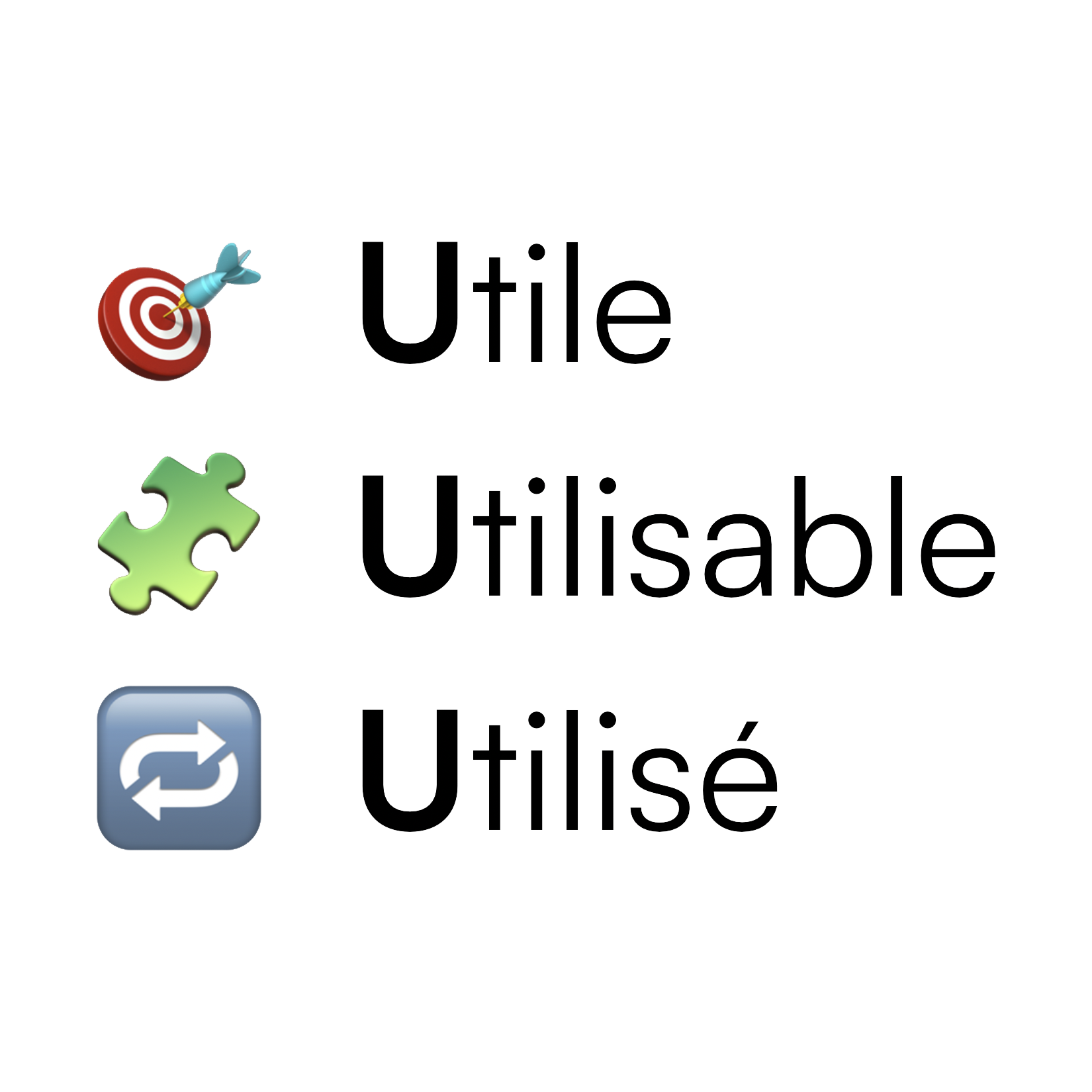
The Three U's, Useful, Usable, Used: the Sieve Between a Project That Lasts and a Demo That Shines Once
Not is it magic, but is it Useful, Usable, and Used. This is the sieve that separates a project that holds from a demonstration that shines for a day.
- Useful (the power of data): relevance inside the systems beats slogans; beyond the wow effect, what are the KPIs your AI actually understands?
- Usable (the deep illumination of data): fitting into the actual habits of work beats the demo, with humans and design (the way it is conceived) at the center.
- Used (the responsibility of data): retention beats volume, the real grail; a system is not shipped and then left as is, it loops with the people across the company.
What matters is what actually inserts itself into daily work: when a use is well served by an AI, people rush to it the world over, with little loyalty to the previous tool. That is the terminal state, invisible AI, so embedded that adoption is no longer a project, just how the work gets done.
Objectives: Leave able to run any AI initiative through the three U's (relevance beats slogans, integration beats the demo, retention beats volume), kill the ones that will only demo well, and design for the invisible AI that stays used long after the launch.
Enterprise AI
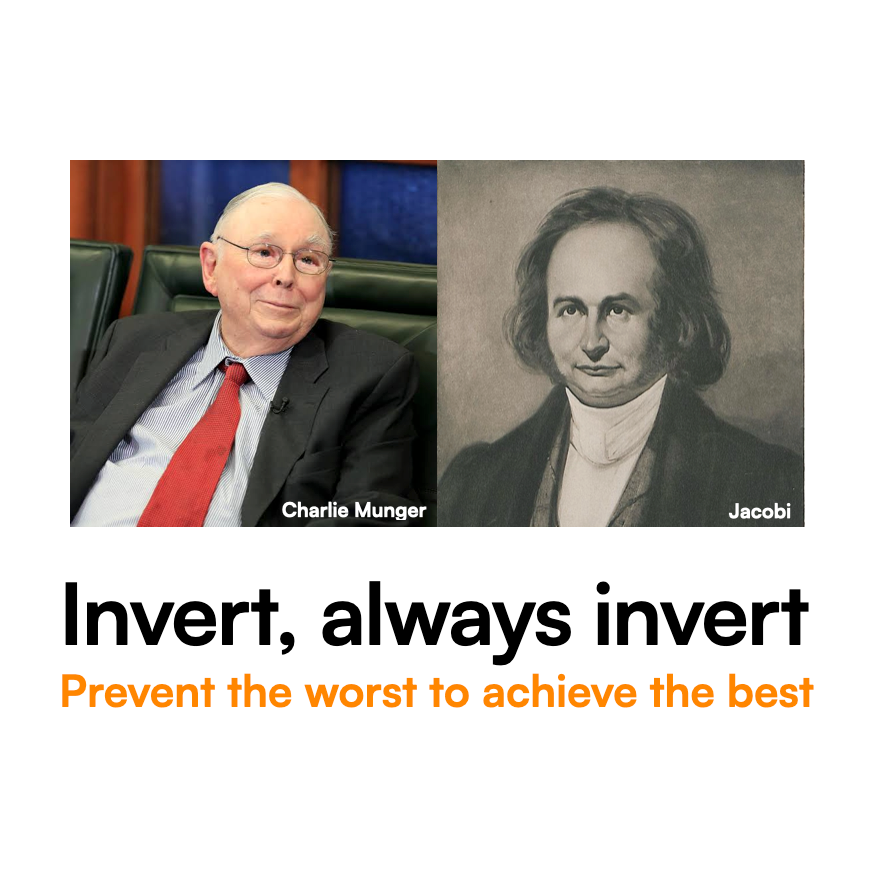
Invert, Always Invert: Measuring How Bad You Are (in Euros)
Objectives: Leave able to build your own business KPI from the confusion matrix and the business matrix, tell a precision problem from a recall problem, and see why a single accuracy number lies.
AI as a Science
AI with respect to Art, Ethics and Philosophy
Enterprise AI
Generative AI Unleashed: 3 Genies out of the Bottle
Three genies of generative AI:
- the writer genie
- the programmer genie
- the artist genie
They are rewriting the rules of production in both tech and art, and they are not going back into the bottle.
Objectives: Leave with a short, current shortlist of the writer, coder, and image tools worth your time, and know which of your weekly tasks each one actually shortens.
AI with respect to Art, Ethics and Philosophy
Enterprise AI

Jeff Dean | What is happening now you have the best model in the world?
Objectives: Leave able to judge an AI system by its engineering rather than its demo: read the bill at full scale before funding a pilot, prefer the deployable model to the impressive one, and value the systems engineers who make AI actually run.
Enterprise AI

AI for Business: Creating Value Humans Can Understand
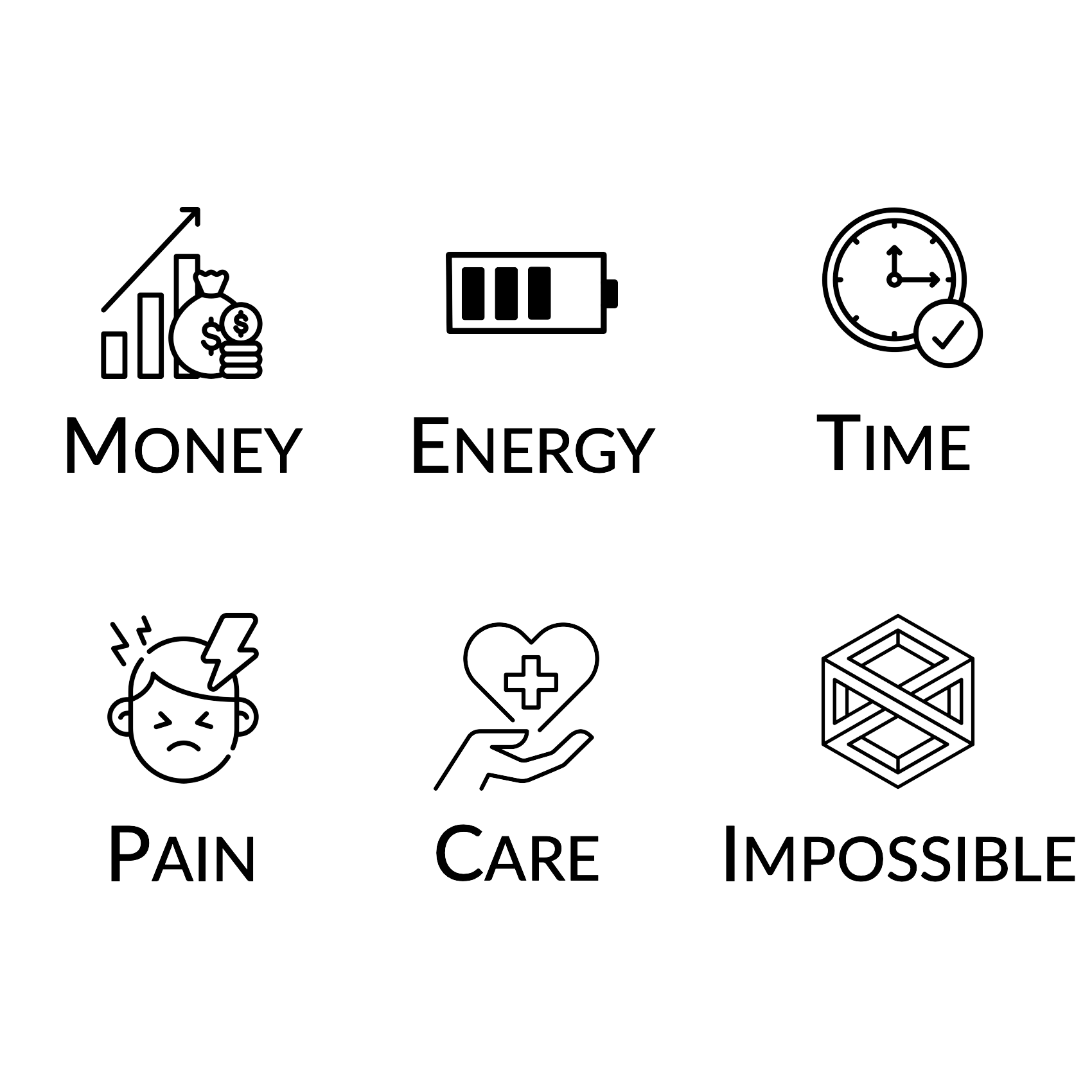
Explore how companies can translate advanced AI insights into clear, actionable strategies that drive real ROI and resonate with human stakeholders. Every worthwhile AI project pays out in one of five units of value:
- money
- time
- energy
- care
- the previously impossible
Name the unit, and you can manage the project.
Objectives: Leave able to state, for any AI project, which of the five units of value it pays out in (money, time, energy, care, or the previously impossible) and turn that into a number your board will recognize.
Enterprise AI
Fei-Fei Li | Benchmarks make fields
Objectives: Leave able to treat data as the real asset: audit the labels and their provenance before funding a cleverer model, define a benchmark that organizes the work without becoming a target to game, and keep the human at the center of what the data is for.
Enterprise AI

AI in Finance, Fraud and Insurance: Pricing Risk, Not Hype
A sector talk where every decision carries a price tag:
- fraud detection as a cost matrix where a missed fraud and a blocked good customer never cost the same
- credit scoring and its fairness traps
- demand and claims forecasting
- generative AI for analysts
- model-risk governance, the discipline the sector demands above all
Beyond enterprise operations, it reads public markets as the most unforgiving lab for autonomous agents: families of trading agents, why backtests differ from live trading, and the systemic risks (procyclicality, circuit breakers) regulators now watch.
Objectives: Leave able to turn a fraud or credit problem into a priced cost matrix, see where fairness constraints bite, and know what model-risk governance actually requires in a regulated environment.
AI as a Science
Enterprise AI

The Concentration of Confidences: When a Population Confides in a Handful of Machines
Objectives: Leave with a clear-eyed view of the psychological and political stakes when your users confide in an agent, and the governance reflexes (measurable non-sycophancy in the contract, local processing of sensitive data) that keep it accountable.
AI with respect to Art, Ethics and Philosophy
Enterprise AI

The Eye as a Window on the Body: Oculomics and AI
Objectives: Leave able to place any retinal AI on the maturity curve, to name the modalities that matter (fundus, OCT, OCT-A), to quantify the asymmetry of clinical error, and to ask the right governance questions (image quality, external validation, regulation, reimbursement) before adopting an oculomics tool.
AI as a Science
Enterprise AI

Taming Bias: Building Fair and Trustworthy AI
Bias is poison, and it is mandatory. Address the ethical and technical challenges of bias in AI with a six-part taxonomy:
- engineering
- sampling
- algorithm
- culture
- measurement
- exclusion
The honest verdict: detecting bias is easy; eliminating it is impossible. Fairness is not mathematical; it is ethical. You choose your bias knowingly, then measure it.
Objectives: Leave able to name the six kinds of bias in your system, measure the one that matters, and defend the fairness choice you made, using open-source tools like Fairlearn to do it.
AI with respect to Art, Ethics and Philosophy
Enterprise AI

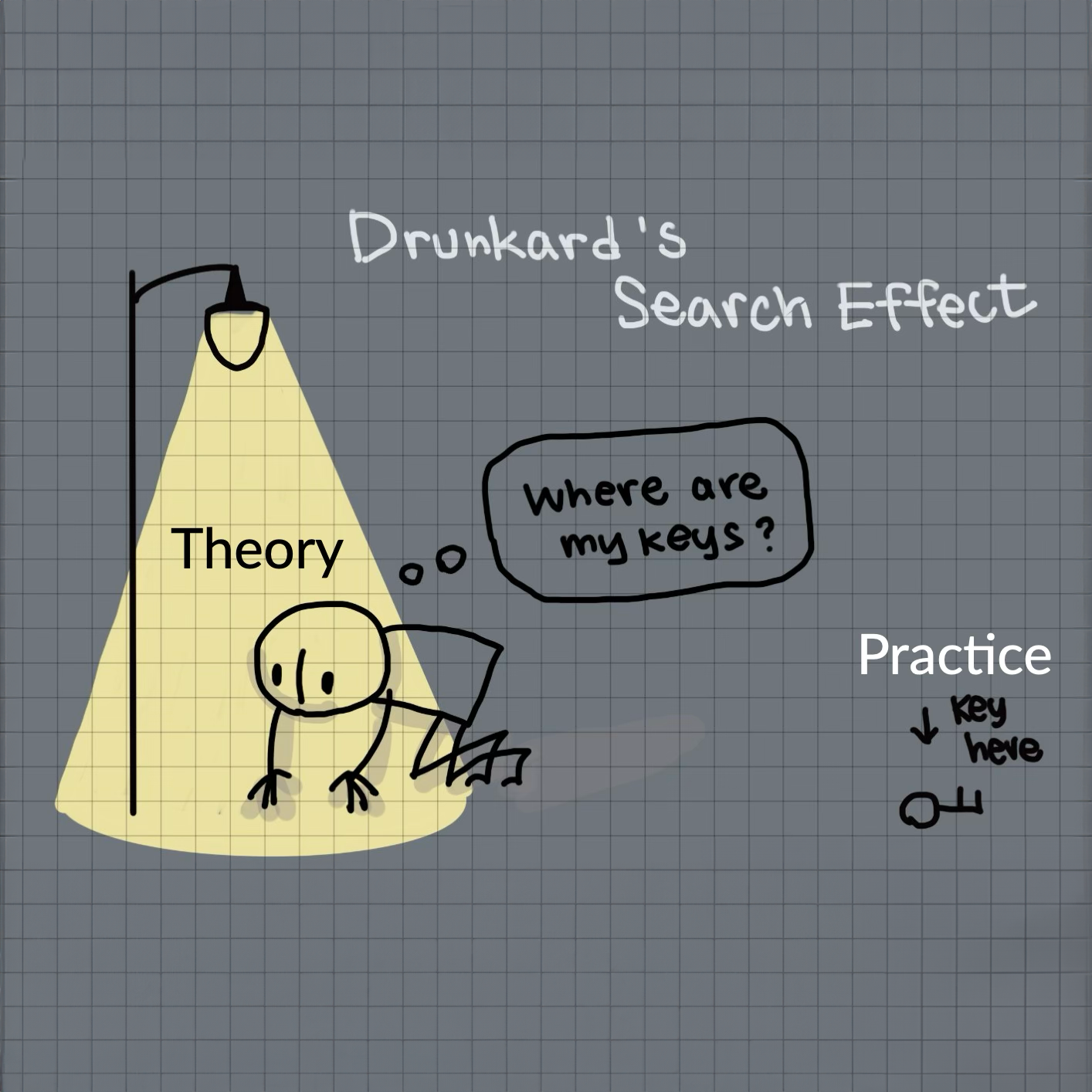
AI Feasibility 101: Big Data Strategies, Small Data Hacks, and the Manager as Pilot
Objectives: Walk away able to assess AI project feasibility with the N/D/K cuboid, recognize the rare cases where R&D financing is truly required, and see the manager's real job: to fine-tune generic tools to a domain.
Enterprise AI

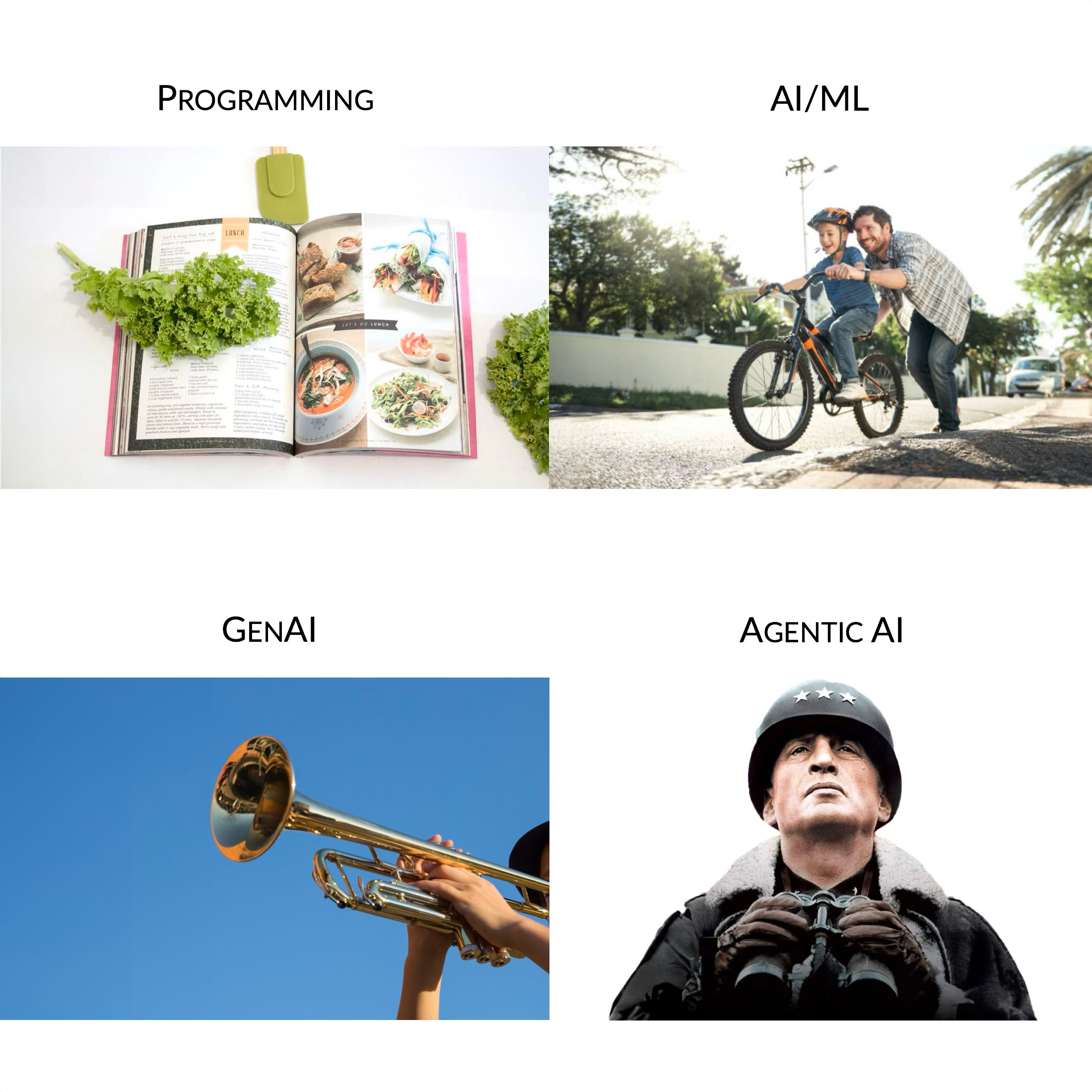
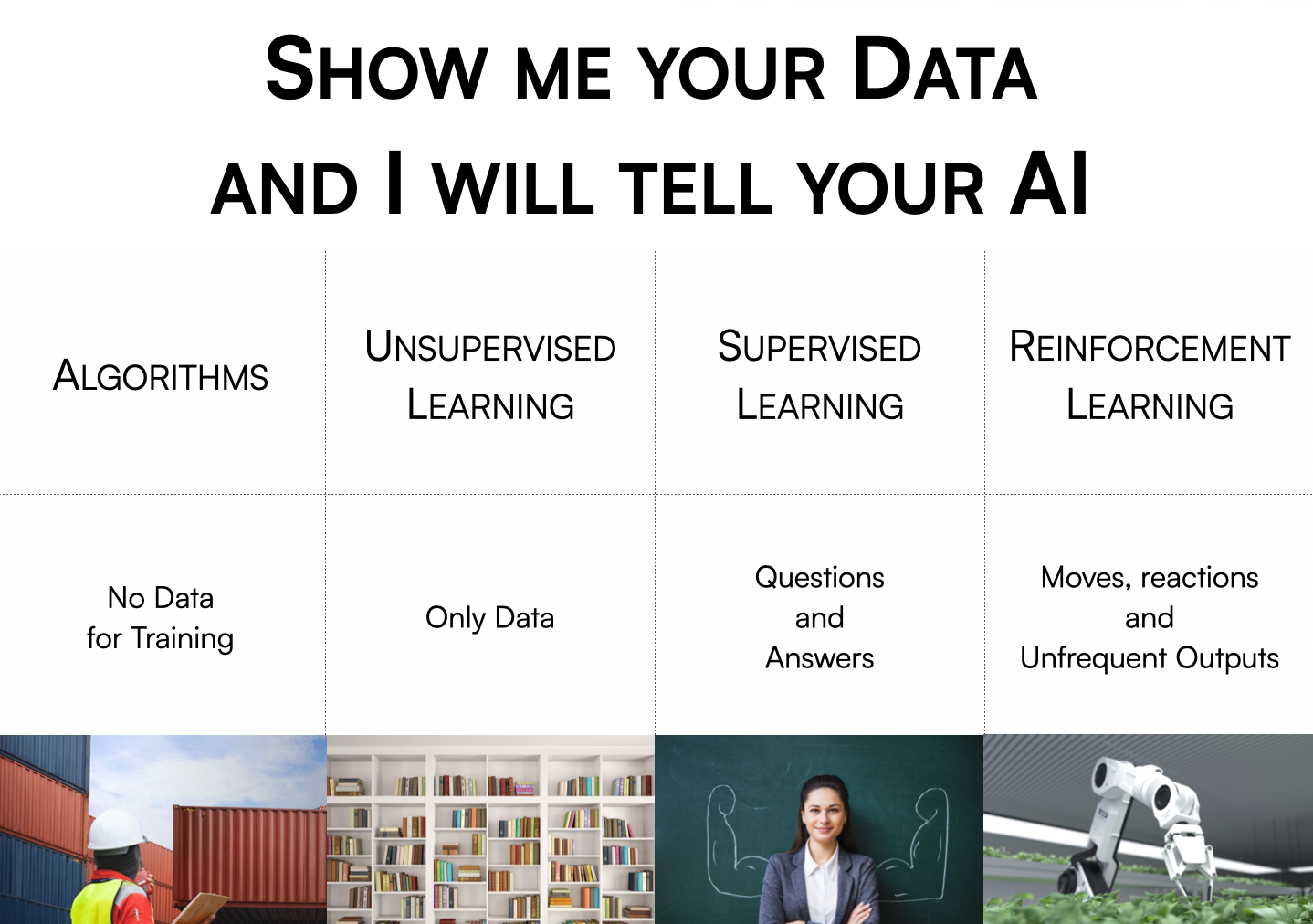
AI/ML 101 for Human Beings: The Four Eras and the AI Palette
Show me your data and I will tell you your AI. From programming to machine learning to generative AI to agents: four eras in one line, and underneath them one idea, gather your X and your Y then guess the function F. Algorithms learn from data through three families:
- unsupervised learning
- supervised learning
- reinforcement learning
This talk teaches over-fitting and under-fitting through the student analogy (learned by heart, lazy, or truly understood) and lays out the full AI Palette, without jargon, so managers speak the same language as their data teams, mapping each method to the data you already have in your company.
Objectives: Leave able to look at a business problem and say which family of AI it calls for, what data it would need, and whether you already have it; to hold a clear mental model of training, validation, and test; and to place any AI method on the map of families, before a single euro is spent.
Enterprise AI
AI for Everyday Use
Objectives: Leave with a handful of tools you can open the very next morning to save an hour on writing, searching, and planning, at work and at home.
AI with respect to Art, Ethics and Philosophy
Enterprise AI

AI History: From Handcrafted to Agentic in 30 Years
Trace the shift from early rule-based, handcrafted systems to today's autonomous AI agents capable of making independent decisions, through four ages:
- handcrafted features
- deep learning
- foundation models
- agents
Objectives: Walk out able to place any AI tool a vendor pitches you in one of the four ages, and to see why today's agents are a continuation, not magic, so you can judge the next wave without the hype.
AI as a Science
Enterprise AI
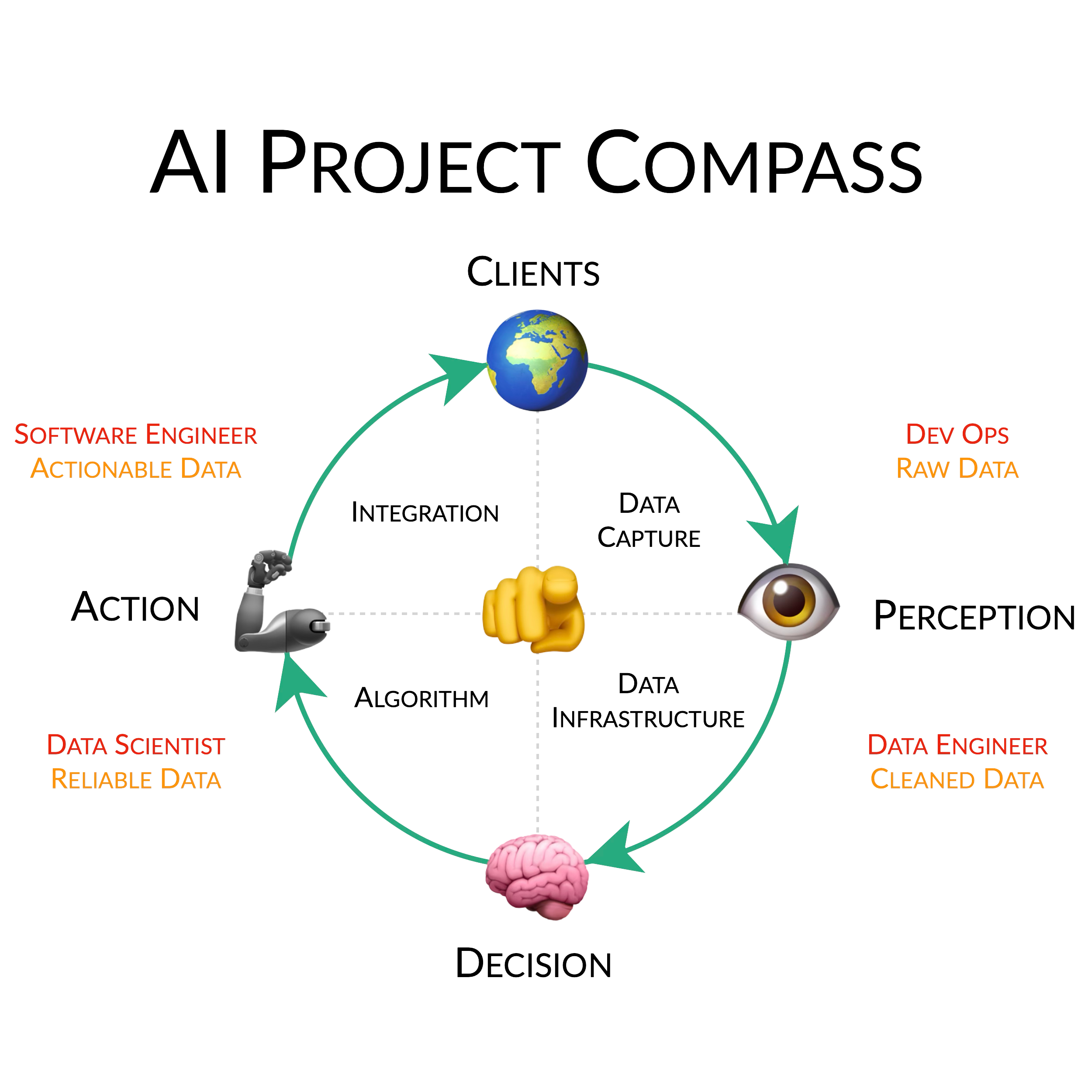
Manager-Centric AI: the Phenomenological Compass from Idea to Production
Objectives: Leave able to place data, algorithms, and actions around the manager and the customer with one compass, and run a reusable roadmap from idea to production: break the silos, start rough and simple, always keep a log of what the system does, and drive milestones, deliverables, and risk mitigation from the client's pain.
AI as a Science
AI with respect to Art, Ethics and Philosophy
Enterprise AI
AI, Work and Society: The Intellectual Reliefs
Objectives: Leave able to hold a reasoned conversation about AI and jobs (from Smith to Stiegler) and to name what each past intellectual relief has destroyed, created, and left distinctly human.
AI with respect to Art, Ethics and Philosophy
Enterprise AI
Recommender Systems: Personalizing Your Customer Journey
Objectives: Leave able to select the right recommendation approach for your catalog and traffic patterns, identify which metric actually tracks business impact (not just clicks), and recognize the classic pitfalls that silently erode engagement.
AI as a Science
Enterprise AI

AI in Media, Entertainment and Music: Attention, Retention, Creation
A sector talk grounded in real, cited cases:
- recommendation engines that shape attention
- churn predicted with survival analysis so you act before a subscriber leaves
- catalog revenue optimization with Ircam Amplify
- algorithmic promotion and editing for creators using Jellysmack
- music AI from stems to score
Where does the tool end and the artist begin? GenAI replays for creators the question that photography, from the daguerreotype to the Polaroid, once posed to painting.
Objectives: Walk away able to recognize concrete media AI patterns (recommenders, survival-based churn, creative AI), measure attention and retention honestly, and locate where the tool-versus-artist line falls.
AI with respect to Art, Ethics and Philosophy
Enterprise AI

AI in Retail, E-commerce and Logistics: From Fraud to Smart Slotting
Objectives: Leave able to see how retail and logistics teams combine forecasting, fraud detection, and knowledge graph plus solver optimization to move real operational and margin metrics.
Enterprise AI

AI in Products, Tools, Teams, Entertainment, Art, and Public Life
AI is everywhere. How do we measure it with common sense across our use cases?
- products
- tools
- management
- health
- entertainment
- art
- public life
If AI generates measurable value, how do we get customers to smile?
Objectives: Leave ready to apply concrete frameworks and examples from idea to the client's smile, and set up developer- and citizen-centric AI toolchains around measurable client value.
AI with respect to Art, Ethics and Philosophy
Enterprise AI